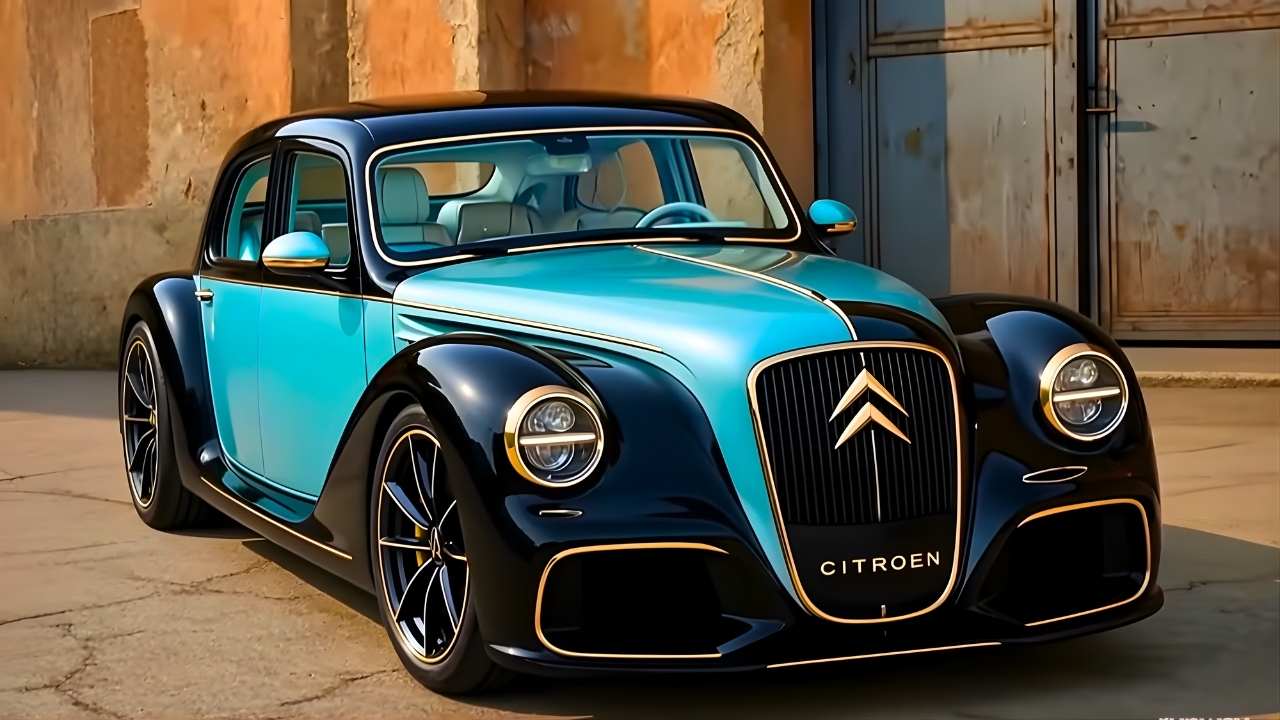
1950 Citroën Traction Avant: The 1950 Citroën Traction Avant is one of the most iconic classic cars ever produced in France. Known for its advanced engineering, it introduced many modern features long before they became common in the automotive world. Its strong body design and front-wheel drive system made it unique for its time.
This car was part of the Traction Avant series built between 1934 and 1957. The 1950 model offered comfort, stability, and better handling compared to most cars of that era. It remains popular among collectors and car enthusiasts because of its history, innovation, and elegant design.
History And Development Of Citroën Traction Avant
The Citroën Traction Avant was first introduced in 1934 and quickly gained attention for its revolutionary design. It was created to provide better stability and safety by lowering the car’s center of gravity. This made driving smoother and more comfortable for people.
By 1950, the model had become more refined and reliable. Citroën improved engine performance and interior comfort while keeping its classic look. It continued to be a favorite family car across Europe during this time.
Design And Body Structure Features
The 1950 model featured a strong monocoque body structure, which means the frame and body were built as one piece. This design made the car lighter and stronger than many other vehicles of its era.
Also Read: Discover the 2026 Bugatti Hyper Travel GT With Advanced Technology And Elite Luxury Experience
Its low height and smooth curves gave it a modern appearance. The four-door sedan style was the most popular, offering enough space for families and long travel. The car also had independent suspension for a smoother ride.
1950 Citroën Traction Avant Overview
| Feature | Details |
|---|---|
| Manufacturer | Citroën |
| Production Era | 1934–1957 |
| 1950 Model Type | Traction Avant 11 CV |
| Engine Type | Inline 4-cylinder petrol |
| Engine Size | 1.9-liter |
| Power Output | About 55–56 hp |
| Transmission | 3-speed manual |
| Drive Layout | Front-engine, front-wheel drive |
| Body Style | 4-door sedan |
| Top Speed | Around 100–115 km/h |
Engine Performance And Driving Experience
The 1950 Traction Avant commonly used a 1.9-liter inline four-cylinder engine. It produced around 55 to 56 horsepower, which was suitable for daily driving during that time. The engine was reliable and easy to maintain.
The front-wheel drive layout helped improve road grip and balance. Drivers found the car stable even at higher speeds. Its handling was considered advanced compared to many other cars from the 1950s.
Also Read: Iconic 2026 Volkswagen T1 Samba Blends Vintage Design Heritage With Future Electric Mobility Vision
Importance Of Front Wheel Drive Innovation
One of the biggest achievements of the Traction Avant was its front-wheel drive system. At a time when most cars used rear-wheel drive, this feature improved control and traction on the road.
This system also allowed more space inside the car. It helped make driving safer and smoother, especially on rough roads. Later, many car companies followed this design approach in modern vehicles.
Comfort And Interior Features
The interior of the 1950 model was simple but comfortable. It had wide seats, good legroom, and a clean dashboard layout. Families could easily travel long distances without feeling uncomfortable.
Also Read: 2027 Honda Wagon Electric Inspired Model Interior Features, Range Expectations And Launch Timeline
Large windows allowed natural light inside the car, making the cabin feel more open. The ride quality was smooth because of the independent suspension system. It made journeys more pleasant compared to older cars.
Production Years And Popular Variants
The Traction Avant series was produced from 1934 to 1957. During this long production period, several engine options were introduced, ranging from 1.3-liter to 2.9-liter. Each version offered different performance levels.
In 1950, the 11 CV variant was among the most common models. It was known for its balance of power and efficiency. Larger versions with six-cylinder engines were also available for those wanting more performance.
Also Read: 2026 BMW Z4 Combines Classic Roadster Styling, Turbo Performance, And Premium Comfort Upgrades
Safety And Stability Advantages
The monocoque body structure made the car stronger and safer. It provided better protection compared to older vehicles with separate frames. This was a major step forward in car safety design.
The low center of gravity improved balance while driving. It reduced body roll and made cornering easier. This helped drivers feel more confident on the road, especially at higher speeds.
Collector Value And Historical Legacy
Today, the 1950 Citroën Traction Avant is seen as a valuable collector’s car. Many enthusiasts admire it for its classic style and engineering innovations. Well-maintained models are highly respected in vintage car shows.
Also Read: New 2026 Corvette ZR1 Delivers Twin Turbo Power, Speed, And Advanced Track Performance
It is remembered as one of the first modern-feeling cars ever made. Its design influenced many later vehicles. Because of this, it holds an important place in automotive history.
Influence On Modern Automobile Design
The Traction Avant introduced ideas that are common in modern cars today. Its front-wheel drive layout and unit-body construction became standard in many vehicles later on. These changes improved comfort and performance.
Car makers around the world learned from its design. It showed how innovation could change the future of automobiles. Even decades later, its impact can still be seen in the way cars are built.
Also Read: 2026 Chevrolet Silverado 1500 Performance, Engines, Technology, and Pricing Details